After the surprising success of The Silent Traveller in Lakeland, Chiang Yee was encouraged to follow on from his first Silent Traveller book with an account of his impressions of London. The Silent Traveller in London was published by Country Life in November 1938, after Chiang Yee had been living in Hampstead in North London for five years.
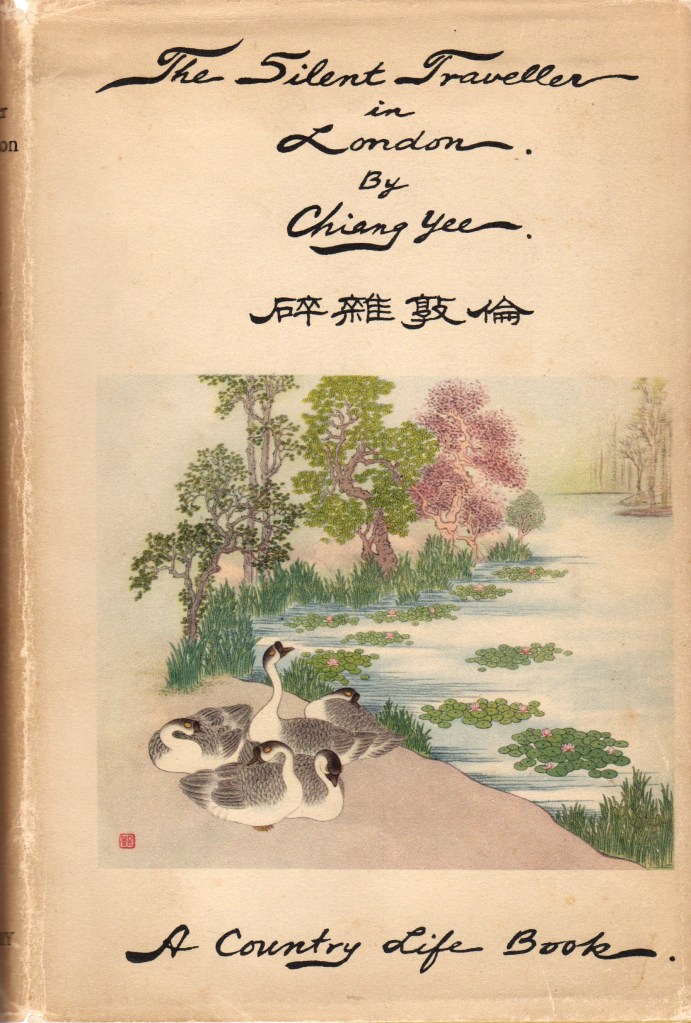
Dust Jacket of The Silent Traveller in London (1938)
The Silent Traveller in London was a much more substantial book than The Silent Traveller in Lakeland. It consisted of 256 pages, which was more than three times longer than the first Silent Traveller book. In addition, it was illustrated much more profusely than the Lakeland book, with 14 plates, about half of them in colour, as well as many small line drawings placed as vignettes within the text. The coloured picture on the dust jacket above, which shows a group of geese beside a lake is also the frontispiece of the book. It is titled “Summer Afternoon in Kew Gardens”, and is clearly a watercolour painting which is Chinese in style and inspiration.
The book is structured as two parts; the first part is called London Scene, the second is called London Life. Each part is further divided into chapters which deal with different aspects of Chiang Yee’s observations and thoughts.
London Scene
London Scene is heavily focused on the seasons and the weather. After comparing the four seasons in London and China in the first four chapters, Chiang Yee goes on to London Fog, London in Snow, London under the Moon and London in Wind and Rain. The author walks around London and records what he sees in prose, poetry and images. He takes long walks on the streets of London, but particularly enjoys walking in the many parks and gardens, where he can capture more natural scenes with his art.
These three paintings below show how has adapted his classical Chinese style to reimagine London parks. He particularly enjoys his early morning walks where he can enjoy the “dawn chorus” of the birds, and the atmospheric mistiness of the parklands. He expresses his amazement that the grass is always lush and green in London’s parks, no matter what the season.
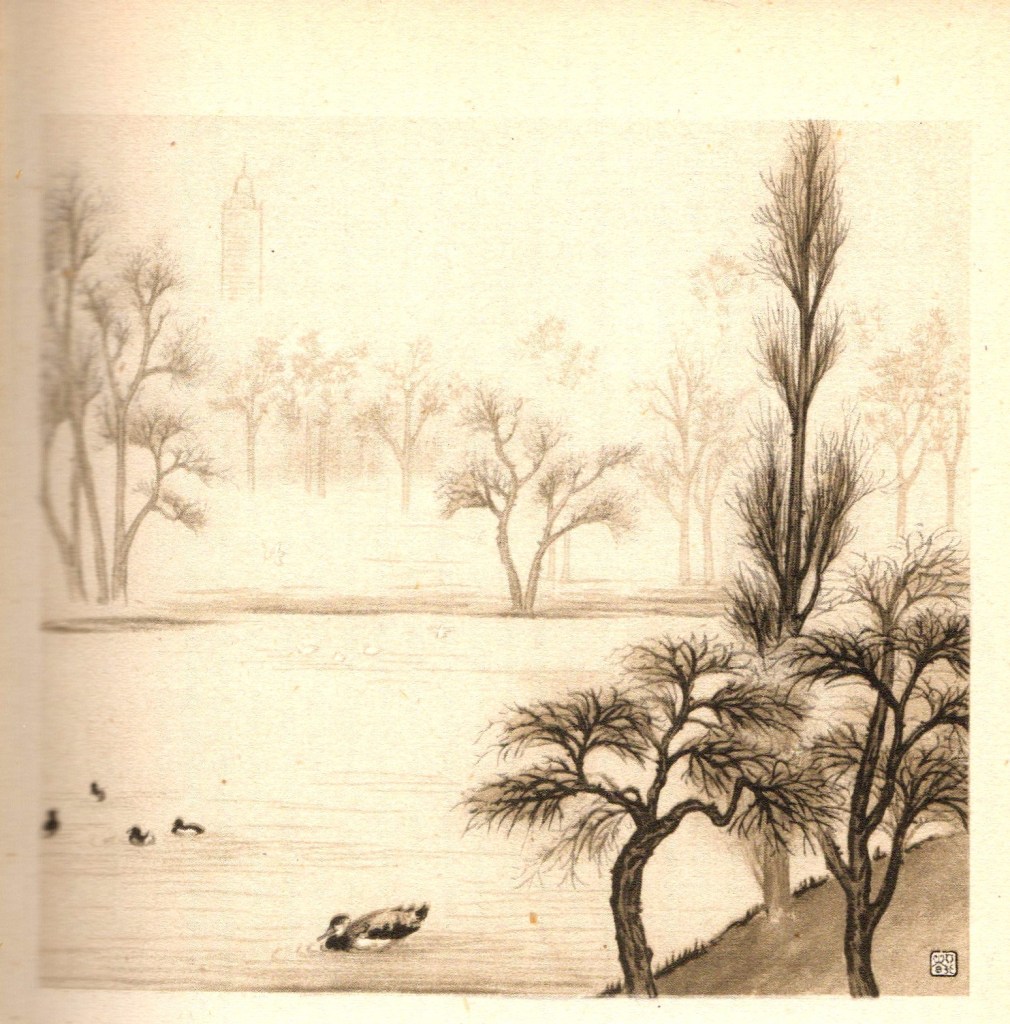
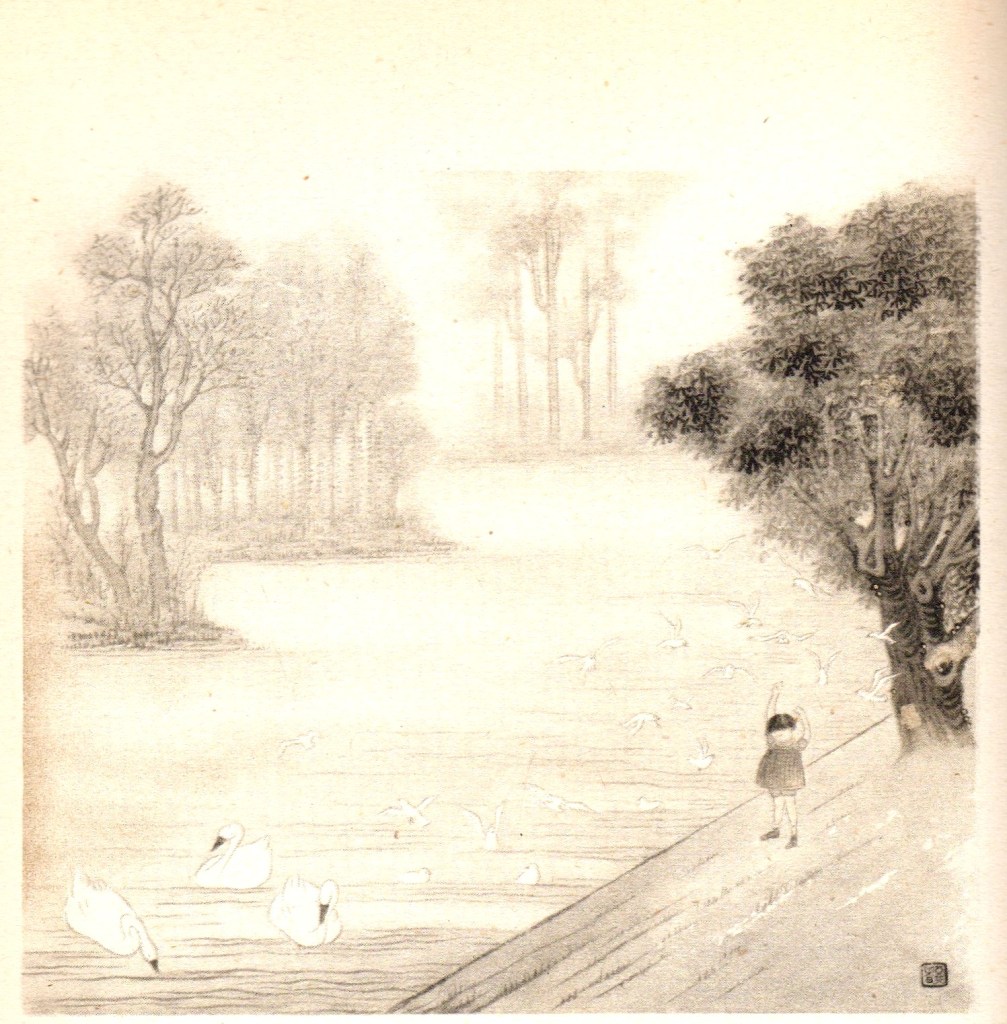
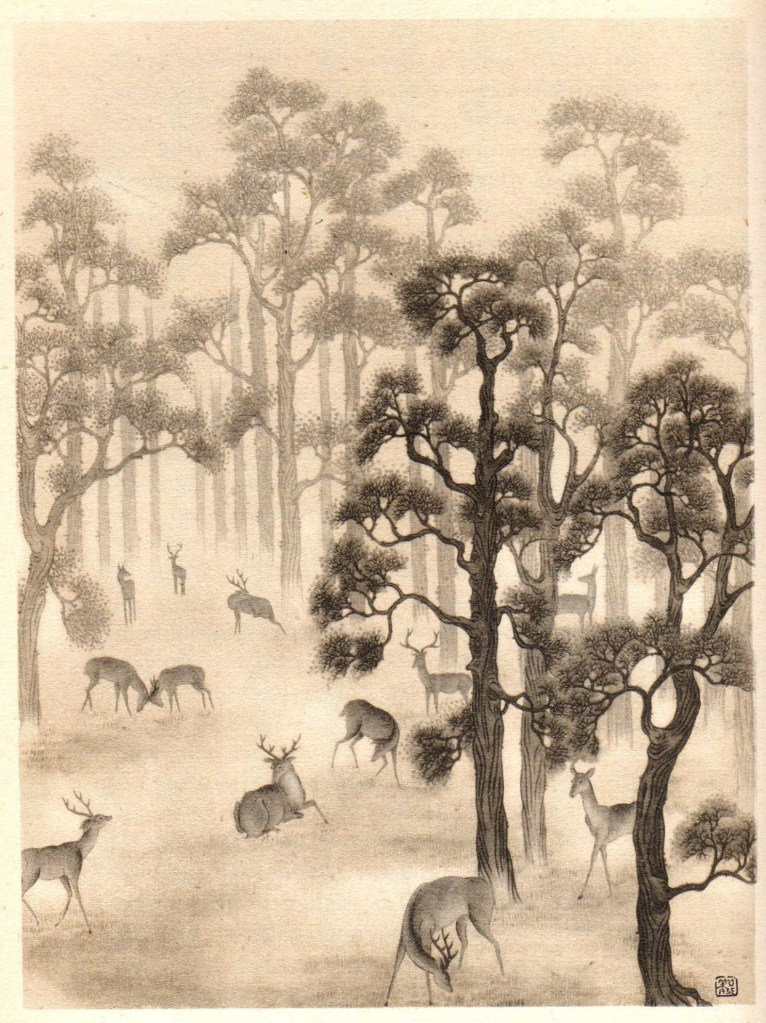
Left: Morning Mist in St. James Park. Centre: Seagulls in Regent’s Park. Right: Deer in Richmond Park.
He delights in seeing snow scenes on Hampstead Heath, which is less than 5 minutes walk from his house, and in seeing local tradesmen beginning their day in the early morning rain.
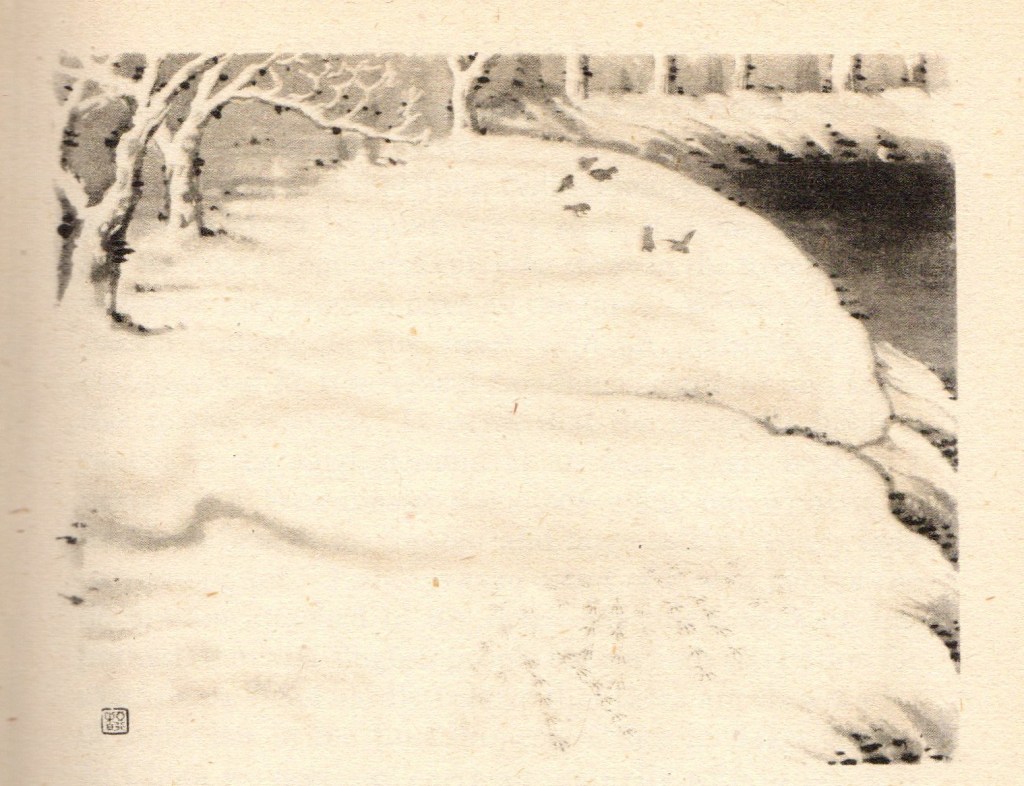
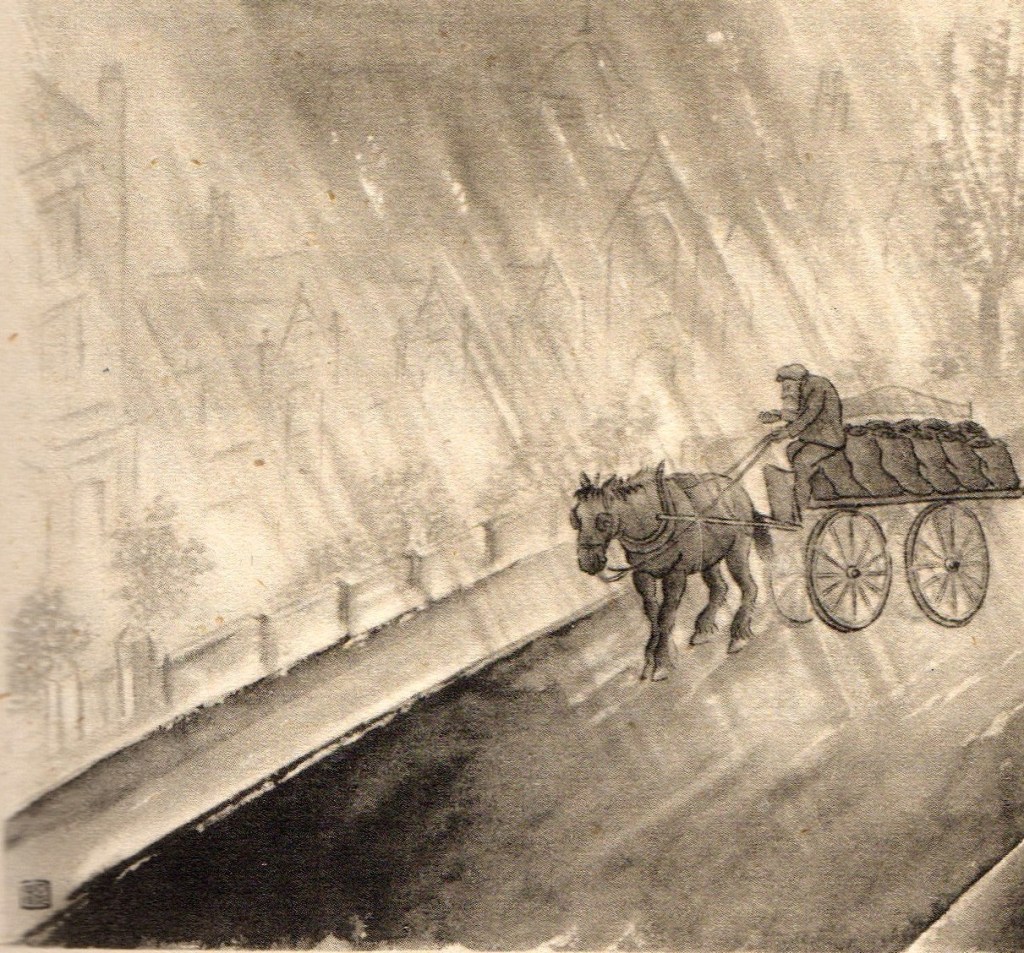
Left: Snow on Hampstead Heath. Right: A coalman starts his day in the driving rain.
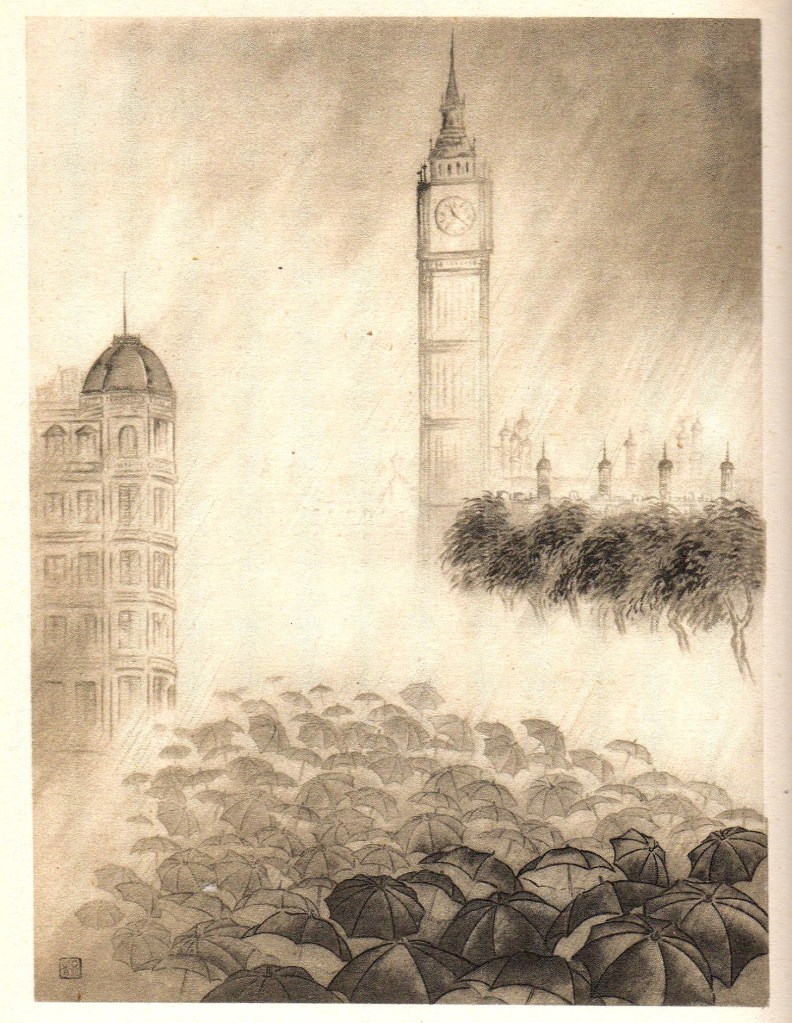
Chiang Yee also produced this lively black and white wash picture of a rainy day in Westminster, as a part of his London in Wind and Rain theme. He remarks on how, unlike in China, everyone in London carries an umbrella all year round.
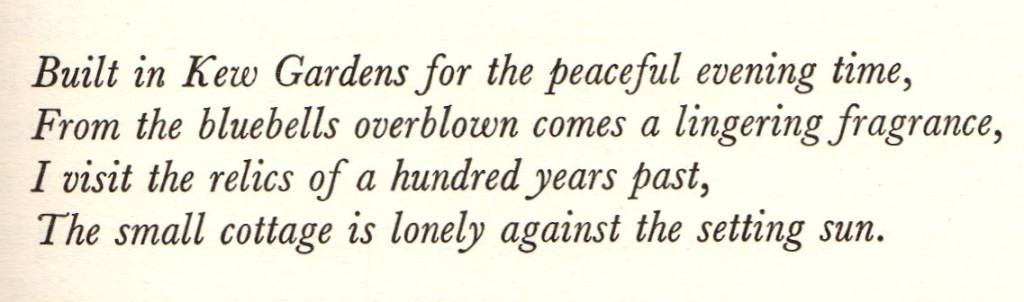
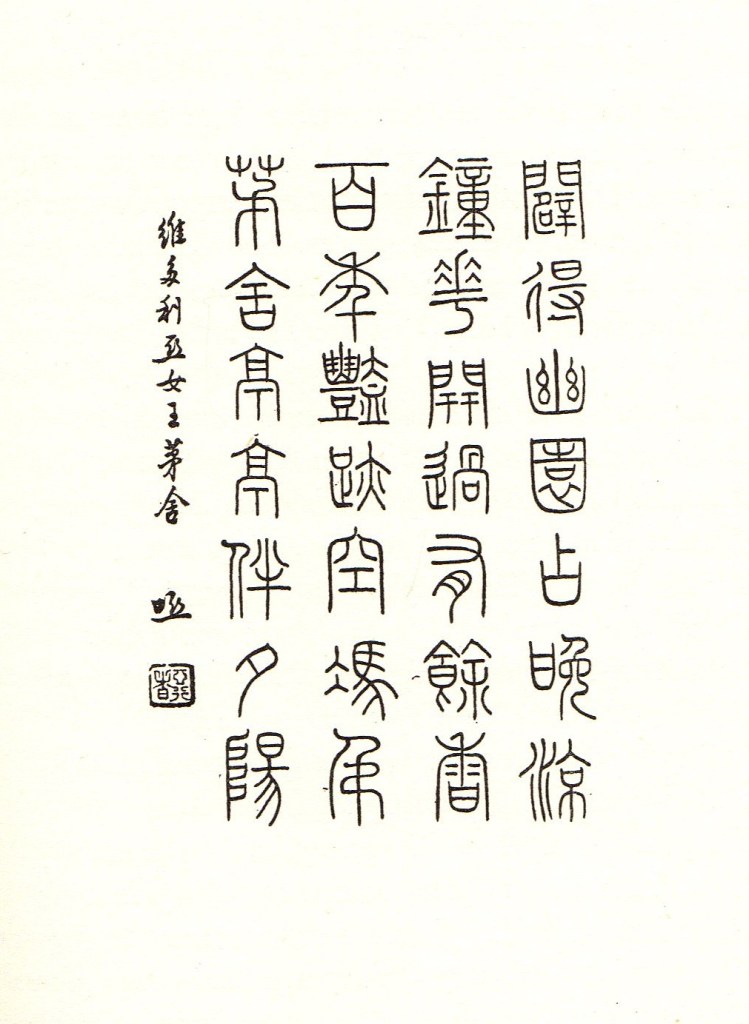
He uses poetry to express some of his most strongly felt observations. The poems are printed in English within the main body of the text as well as in Chinese in a calligraphic script, generally on a separate page. Here is a poem reflecting on a morning spent in Kew Garden.
London Life
In the London Life section, Chiang Yee explores the lives of the people of London at work and at play. Chapters titles include About Children, On Books, At Galleries, On Food, On Drink and Wine, On Old Age and On Statues.
In his introduction, Chiang Yee explains that he has produced a book that he could have called a “Chop Suey of London”, having explained that Chop Suey is an English corruption of the Chinese “Tsa Tsui”, which means “mixed up fragments.” He goes on to recall that during his five years in London, he has lived through “big events”, such as the Silver Jubilee and death of King George V, the Hoare crisis, the abdication of King Edward VIII, the coronation of King George VI, the Bus Strike, the Eden crisis, (the resignation of Anthony Eden as British Foreign Secretary as a protest against Neville Chamberlain policy of appeasement towards the Fascist regimes in Italy and Germany) and the general slippage of European nations towards World War II.
However, he barely mentions any of these events in his book, preferring instead to record his observation of common, everyday events involving ordinary Londoners going about their lives. He continuously compares their behaviours with his memory of the behaviour of his fellow countrymen back in China, noting their similarities as well as their differences.
Here are some of Chiang Yee’s visual observations of Londoners.
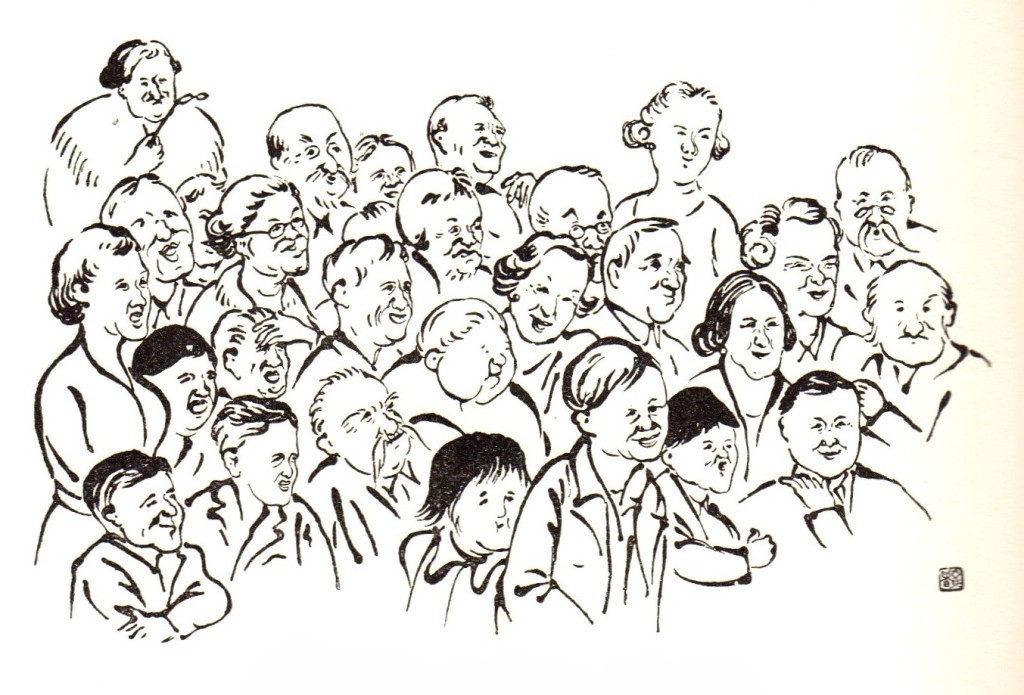
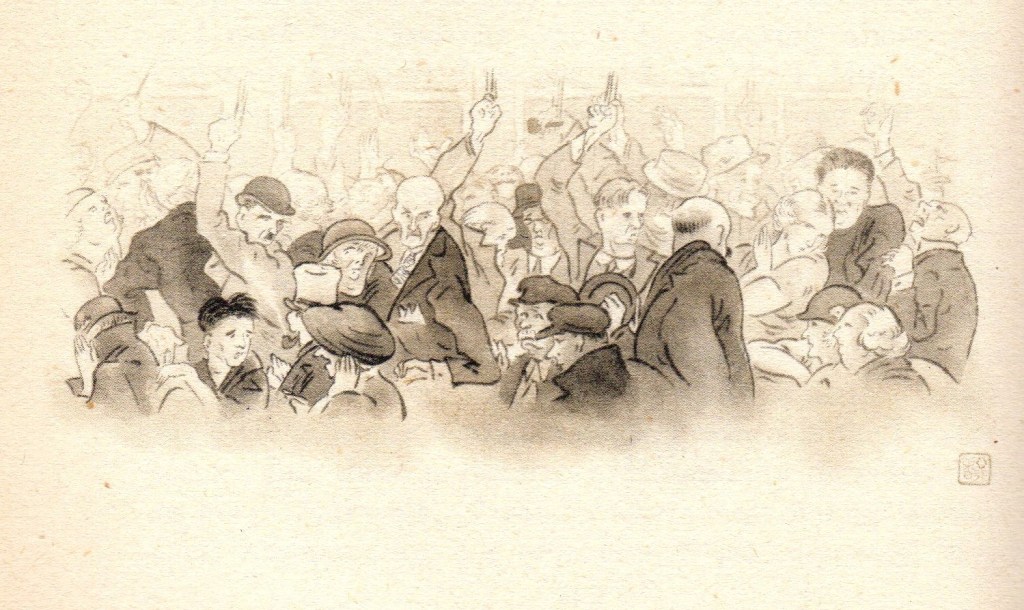
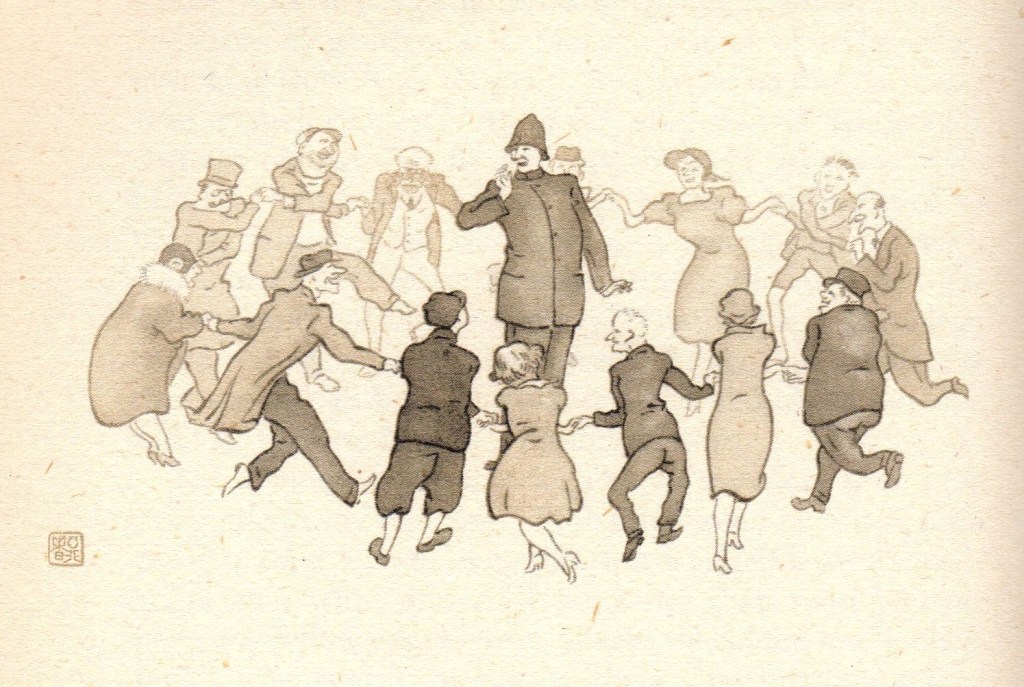
Left: Watching a Punch and Judy show. Centre: On the Underground. Right: Celebrating Jubilee Night.
In contrast, a striking innovation in his London book is his inclusion of caricatures, both in colour and black and white, of some of the well-known Londoners who he has met. Below are his paintings of the playwright, George Bernard Shaw, the politician, Lord Longford and Lawrence Binyon, a leading English expert on Oriental Art of his times.
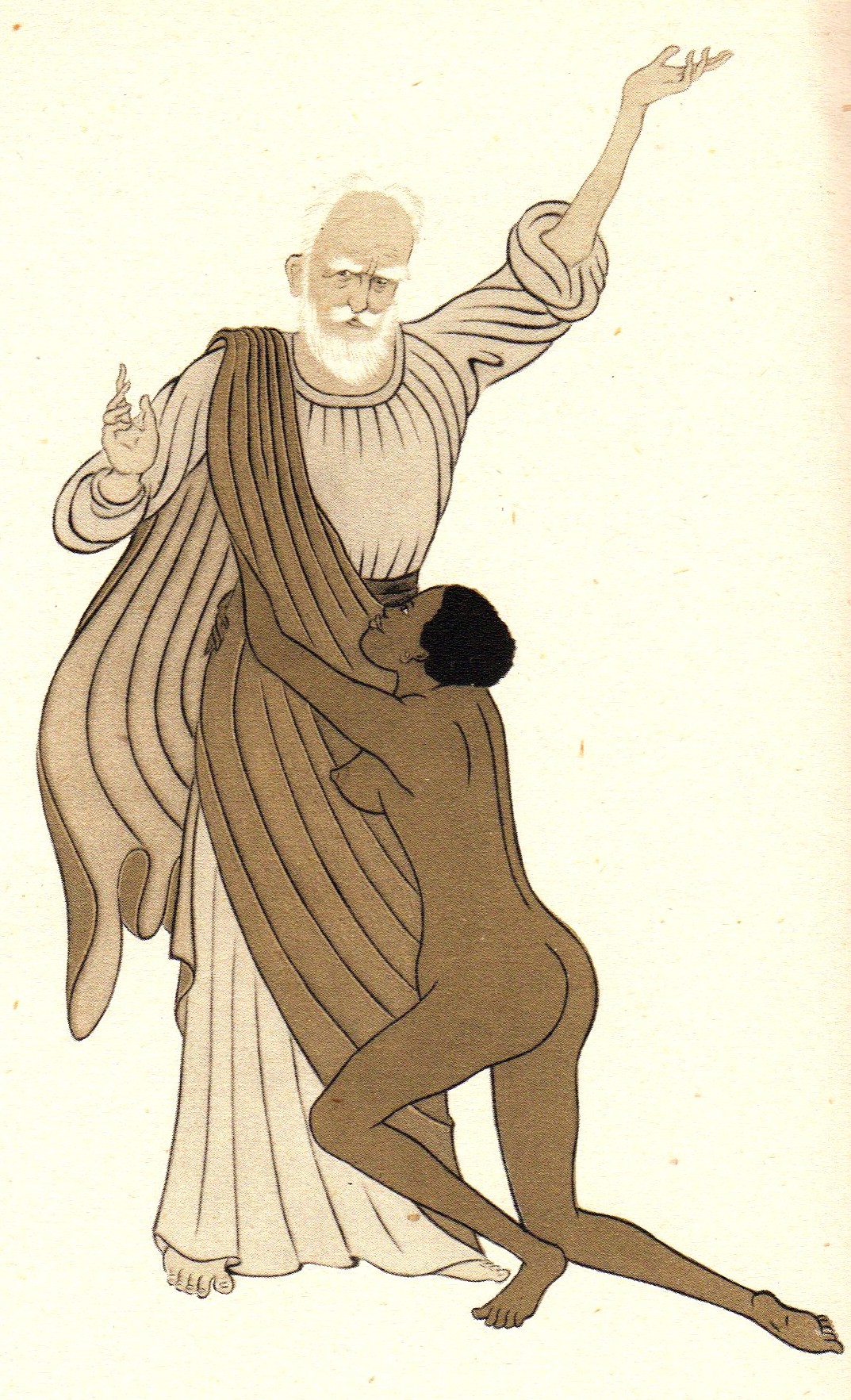
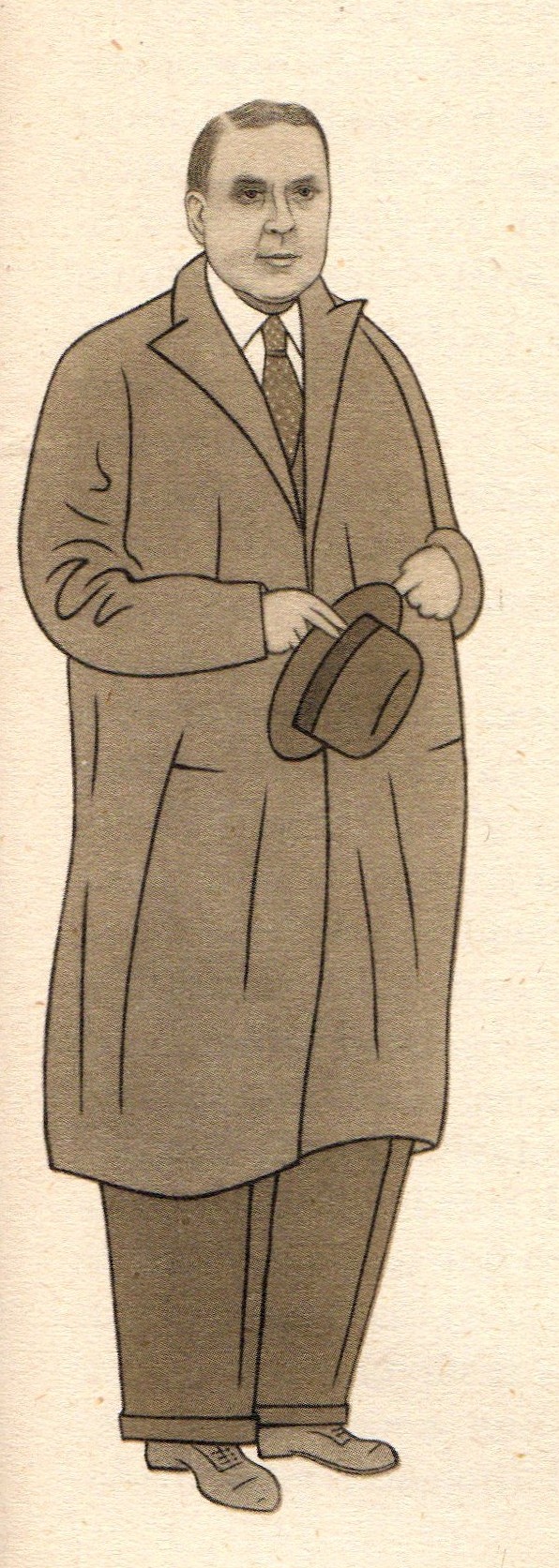
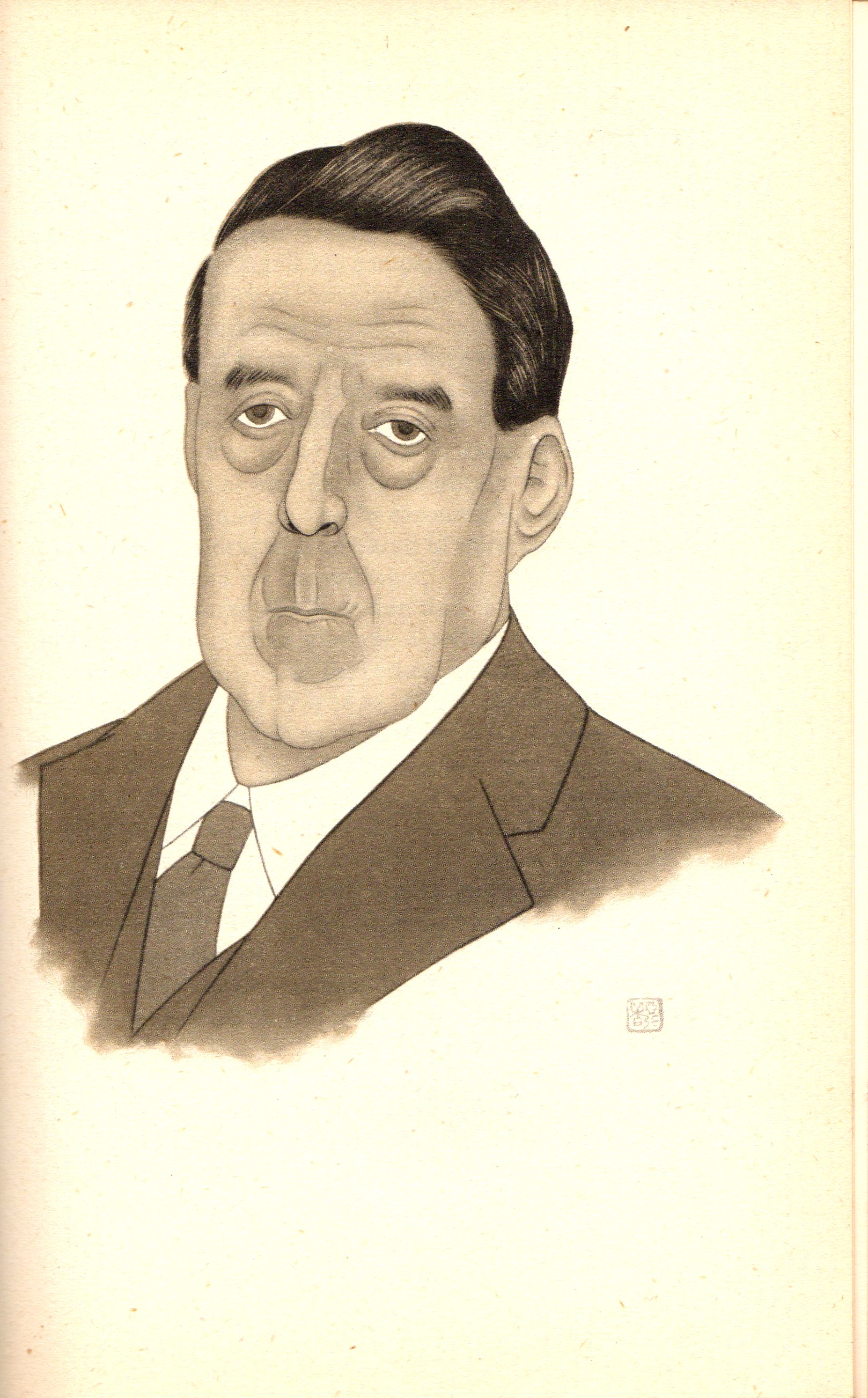
Left to right: George Bernard Shaw – Lord Longford – Lawrence Binyon
Chiang Yee included vignettes, small line drawings set into his main text, to emphasize some of his comparisons of London life with Chinese life and customs. These drawings are almost always images of Chinese people or in a traditional Chinese style. A few examples are shown below.
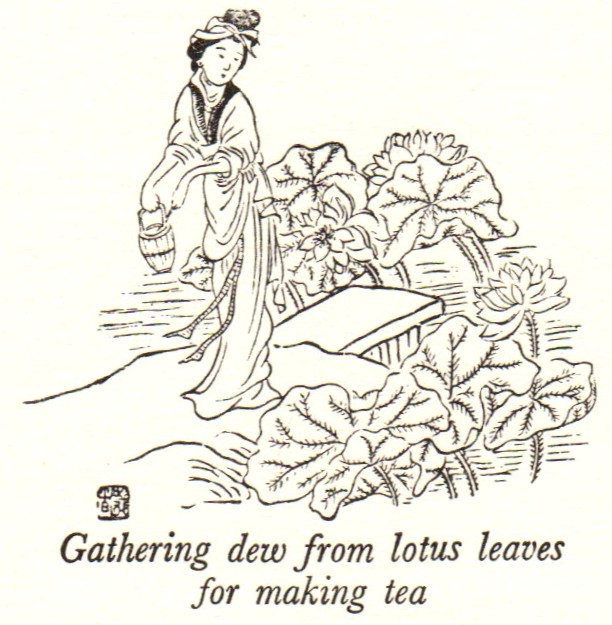
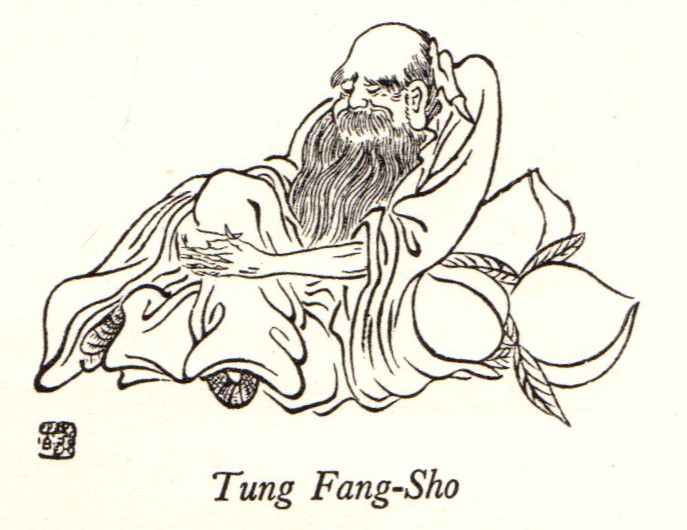
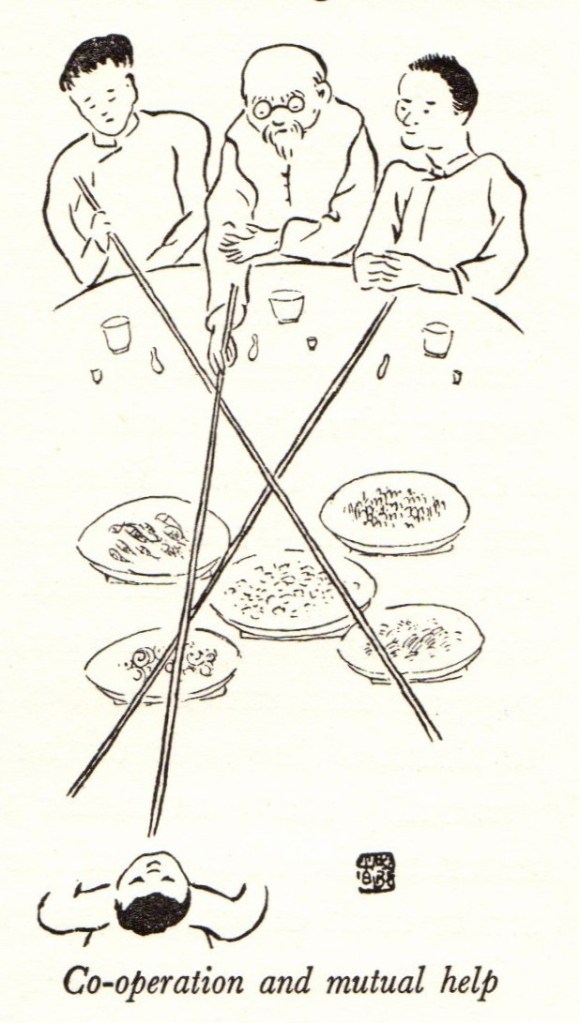
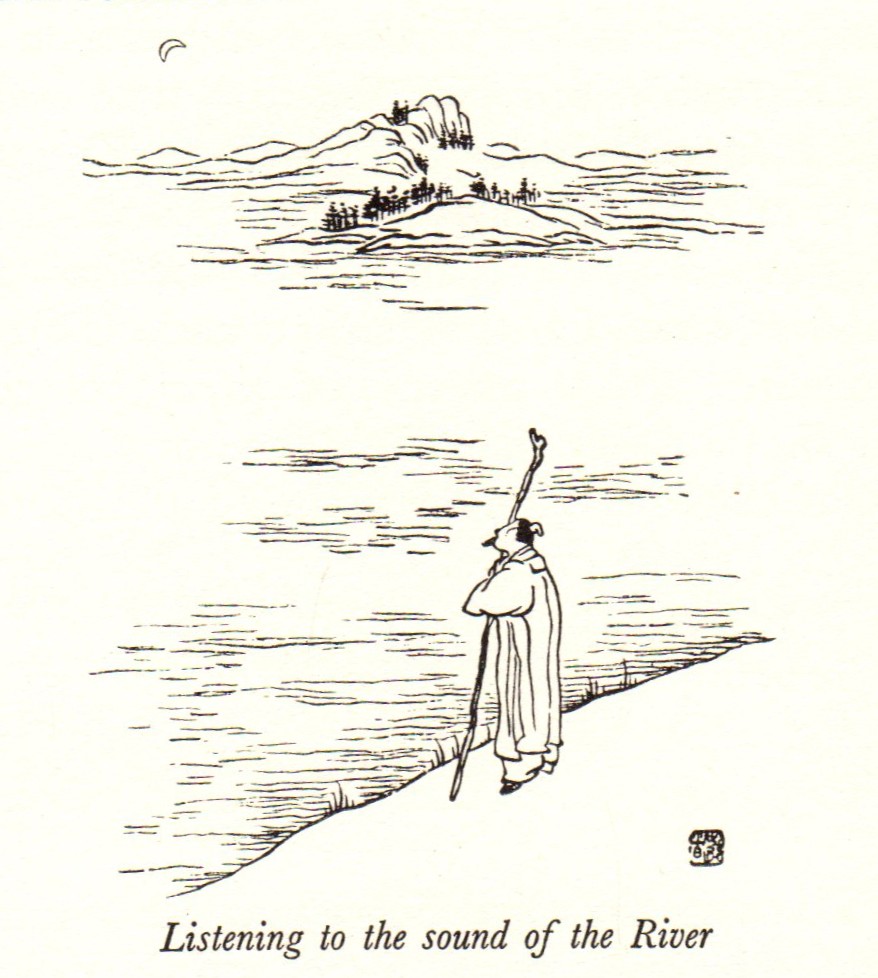
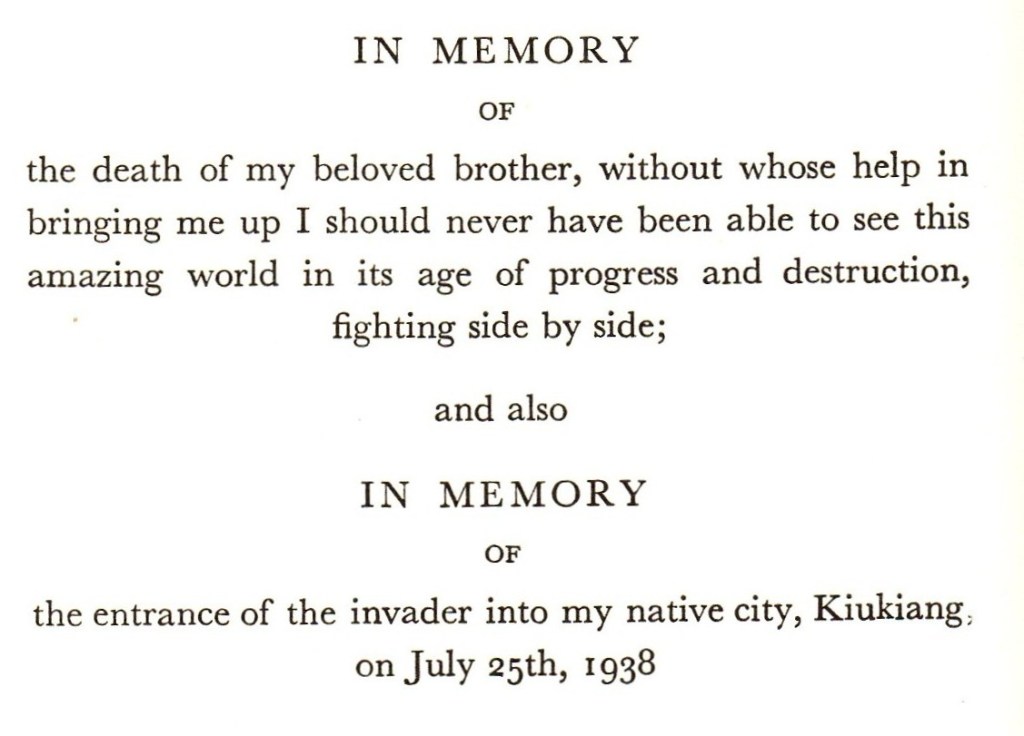
The most touching aspect of the book is the dedication which is shown below. In this text Chiang Yee is asking us to remember his older brother, Chiang Ta-Chuan, who had died in 1938 in Szechuan province where he had escorted his family members, following the Japanese invasion of China and the destruction by the Japanese army of the Chiang’s traditional family home compound in Kiukiang, (nowJiujiang), in Jiangshi province.
 Book Collecting World